Mumbai’s Real Estate Landscape in 2025: Trends Every Homebuyer Should Know
Introduction: Why Mumbai’s Real Estate Spectrum Still Matters
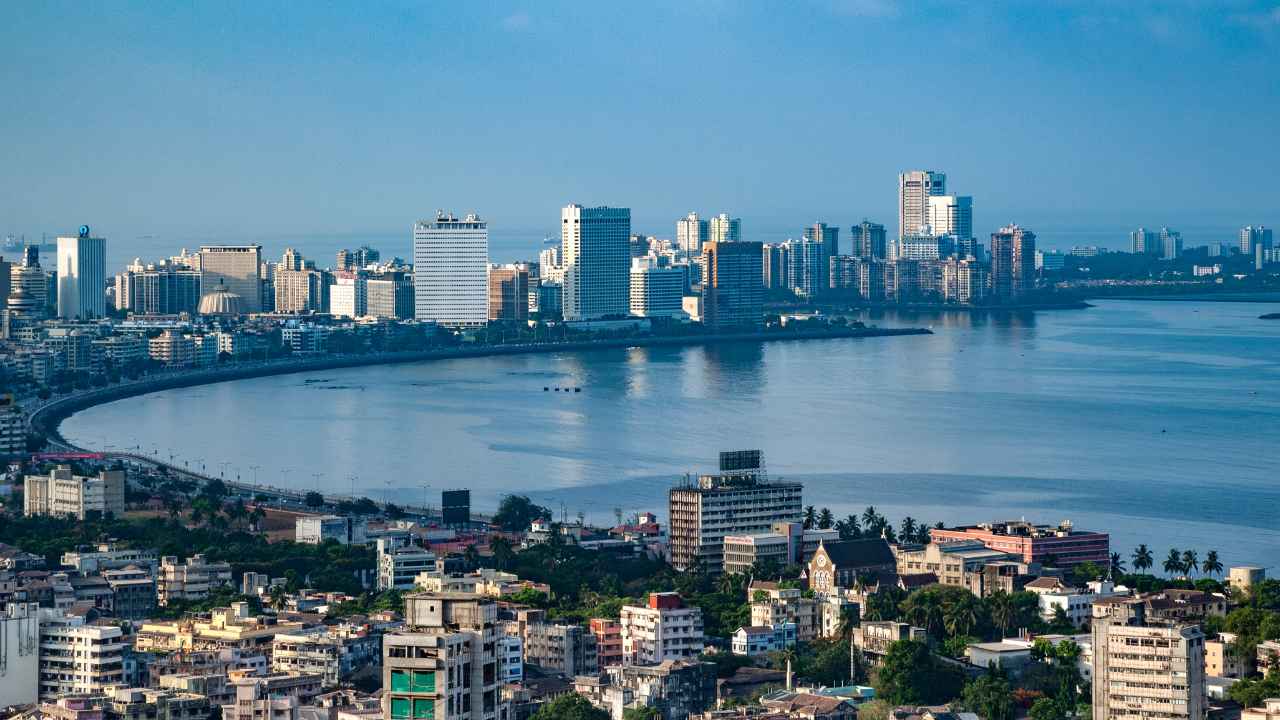
Mumbai remains India’s financial powerhouse and a magnet for professionals, families, and global investors. Despite challenges like sky-high prices and dense living, the city’s real estate market continues to evolve. New infrastructure, sustainability trends, and changing lifestyle demands are shaping Mumbai’s real estate landscape in 2025—creating both opportunities and strategic considerations for homebuyers and investors.
1. Prices & Rents: Why Growth Is Outpacing Inflation
A recent Reuters poll of housing experts forecasts average home-price growth of 6–6.5% and rent growth of 7–10% across India in 2025 . Mumbai is projected to fall near the upper end of that range, which means buyers and investors can expect property values to continue rising.
However, with economic growth lagging real estate appreciation and wages lagging inflation, affordability remains a thorny issue—especially for first-time buyers.
2. Infrastructure Is Redrawing the Map
Metro Expansion
Mumbai Metro Lines 3, 5, and 6 are either under construction or in final stages. These lines will connect suburbs like Dahisar, Kanjurmarg, and Andheri—supporting enhanced connectivity and rising property values in these areas.
Panvel–Karjat Railway
The new 29.6 km corridor, expected by late 2025, will reduce travel time between the eastern suburbs and Navi Mumbai—making Panvel and Ulwe more accessible.
Navi Mumbai International Airport & Third Mumbai
With the Navi Mumbai airport nearing completion and development of the "Third Mumbai" (KSC), Mumbai’s peripheral areas are becoming strategic residential and commercial hubs.
3. Suburban Surge: Top Locations for Buyers in 2025
Here are the key zones attracting homebuyers and investors this year:
Western Suburbs
Areas like Borivali, Malad, Goregaon, and Santacruz fly high due to metro connectivity, affordability, and vibrant social infrastructure.
Central Suburbs
Mulund, Ghatkopar, Vikhroli, and Sion are increasingly popular with 1 BHKs priced ₹20–50k per sq ft and monthly rentals ranging ₹30–70k.
Navi Mumbai & Panvel
With the upcoming airport and rail corridor, patrons are drawn to the ₹10–20k per sq ft pricing, with expected 10–15% property appreciation annually.
Thane
With RERA growth and better connectivity, Thane's property values now range ₹15k–25 k per sq ft, attracting demand from first-time buyers.
Emerging Corridors
Vasai–Virar, Ulwe, and Kalyan–Dombivli are gaining traction thanks to bullet train plans, coastal roads, and metro extensions.
4. Key Themes Shaping the New Landscape
Sustainability & Smart Homes
Green features like solar, rainwater harvesting, and LEED compliance are now table stakes for new developments—appealing to eco-conscious buyers.
Compact Living, Maximum Utility
With living spaces shrinking, homebuyers are opting for smart layouts and multifunctional areas in compact apartments—even luxury ones.
Ready-to-Move vs. Ongoing Construction
Buyers are cautious of delays; demand is leaning toward ready-to-move-in or near-completion units—especially in premium areas.
Mixed-Use Communities
Work-live-play communities that combine residential, commercial, and recreational spaces offer built-in convenience and are gaining traction.
5. Risks & Considerations
Affordability at Breaking Point
With prices rising faster than wages, sound rental alternatives are becoming necessary—many first-timers may find homeownership out of reach.
Economic Headwinds
Stagnant wage growth and slow economic recovery may limit buyer pool and extend sales timelines.
Uncertain Peripheral Zones
While potential is high, areas like Vasai–Virar and Kalyan–Dombivli are still emerging—long-term plays at best.
FAQs: Mumbai Real Estate in 2025
Q1: Is it wise to invest in real estate in Mumbai?
Yes—for long-term returns. With metro expansion, airport connectivity, and consistent rental demand, strategic investments in suburbs like Goregaon, Panvel, and Thane yield good prospects.
Q2: What is the future of Mumbai real estate?
Outside South Mumbai, growth lies in infrastructure-linked suburbs. Demand for affordable homes, rental asset classes, and eco-friendly developments will shape markets in 2025 and beyond.
Q3: Which area is best for property investment?
Western suburbs, Central Suburbs, Panvel/Navi Mumbai, and Thane offer varied budgets and strong connectivity—great butterfly options depending on your timeline and preferences.
Q4: Why is real estate the best investment?
It offers asset appreciation, rental yield, inflation hedging, and tangible ownership—making it a primary investment for long-term wealth creation, especially in high-demand locations.
Q5: What are the three most important things in real estate?
- Location – driven by new and existing infrastructure.
- Timing & Market Cycles – invest when prices are reasonable
- Quality & Developer Reputation – ensures construction and after-sales assurance under RERA.
Q6: What is the best type of investment?
Balanced portfolios work best. In real estate, combining residential (for occupancy or rent), commercial (for business use or leasing), and rental or mixed-use allows for diversified returns.