Metro Connectivity & Real Estate: How the New Lines Are Changing Property Demand
Introduction
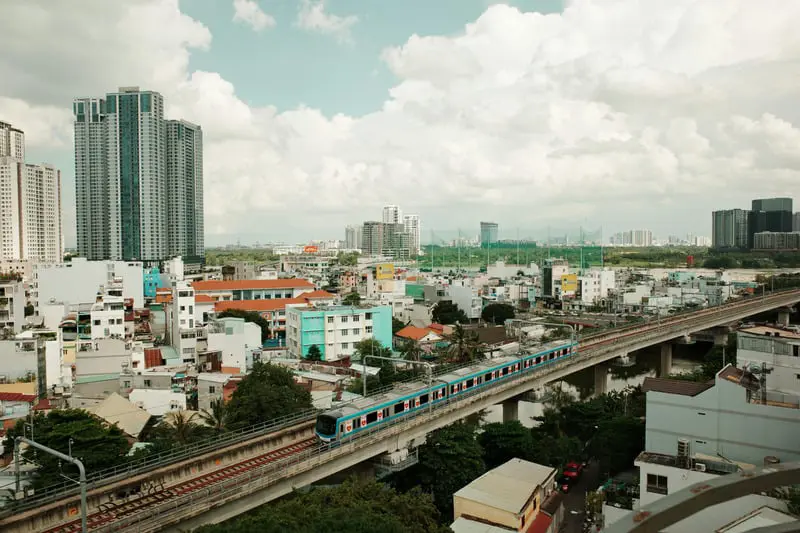
In the ever-evolving urban landscape of the Mumbai Metropolitan Region (MMR), infrastructure remains one of the strongest drivers of real-estate growth. Among all upgrades, the one factor reshaping demand the fastest is metro connectivity. With new corridors opening and others nearing completion, homebuyer preferences are shifting, new micro-markets are emerging, and property values are entering a new growth cycle.
For real estate developers in Mumbai, these transit-led changes are more than a trend—they are a blueprint for future-ready development. At TAT:VM Group, we believe that neighbourhoods with upcoming metro lines represent the next important phase of value creation for end-users and investors alike.
Why Metro Connectivity Matters for Real Estate
1. Reduced commute times
Metro connectivity creates predictable and faster travel, reducing daily commute fatigue and improving work-life balance. For homebuyers, saved time often justifies a higher budget or a shift to previously overlooked areas.
2. Growth in demand & price appreciation
Locations with new or upcoming metro stations see immediate interest from buyers and tenants. This naturally drives up property values. It's one reason why real estate developers in Mumbai increasingly prioritise projects along future metro routes.
3. Development of new micro-markets
Metro expansions activate regions that were under-connected or had slower growth earlier. As social infrastructure follows connectivity, these areas transform into self-sustaining micro-markets with strong long-term potential.
4. Changing buyer behaviour
Modern homebuyers—especially working professionals—now consider metro access as a lifestyle essential. Properties within walking distance of stations tend to attract stronger demand and better rental returns.
Metro Lines Reshaping Property Demand in Mumbai
Key Corridors to Watch
- Metro Line 3 (Colaba-Bandra-SEEPZ) will bring seamless north-south connectivity, linking major business zones.
- Metro Lines 2A, 4, 7, 9 and 11 are building strong east-west and suburb-to-city linkages.
Impact on Real Estate Values
Data from multiple metro corridors across Indian cities shows:
- Properties within 500–800 meters of stations often appreciate faster.
- Rental values are also higher due to better commute convenience.
- Investors tend to prefer such zones because metro connectivity reduces long-term vacancy risk.
What Buyers & Investors Should Focus On
1. Stage of development
The earlier you invest in a metro-connected corridor (announcement or construction stage), the greater the appreciation potential.
2. Walkability & last-mile connectivity
Being within 5–10 minutes of a station significantly boosts desirability. Walkable roads, safety and feeder services enhance the value further.
3. Micro-market potential
Check:
- Connectivity to major employment hubs
- Emerging malls, schools, commercial centres
- Future government projects
- Current and future inventory levels
4. Developer credibility
In transit-oriented zones, the metro brings natural location value—so the quality and reliability of the developer must justify the premium. Buyers should always assess execution records, approvals and project specifications.
Metro-Led Real Estate: What the Future Looks Like
Emerging Corridors
Lines such as Metro 6, the Airport Link and future ring corridors are expected to play a major role in reshaping property demand. These zones may offer some of the best early-entry opportunities for investors.
Transit-Oriented Development (TOD)
With metro and rail systems expanding, real estate developers in Mumbai are shifting toward TOD-centric planning—designing projects that prioritise walkability, convenience, sustainability and access to rapid transit.
Balanced Investment Strategy
While metro lines unlock value, investors must balance:
- Appreciation potential
- Rental income
- Neighbourhood livability
- Supply-demand dynamics
Conclusion
Metro connectivity is no longer a simple infrastructure project—it is a real-estate catalyst. The expansion of Mumbai’s metro network is transforming locations, accelerating development, and guiding buyer preferences more strongly than ever before.
For homebuyers, choosing a metro-connected neighbourhood ensures long-term convenience and strong resale value. For investors, it offers stability, faster appreciation and consistent rental demand.
At Tatvm Group, we remain focused on creating future-ready homes aligned with transit-led growth corridors—because the future of urban living starts with connectivity.