Sustainable Development: How Developers in Mumbai Are Building Green
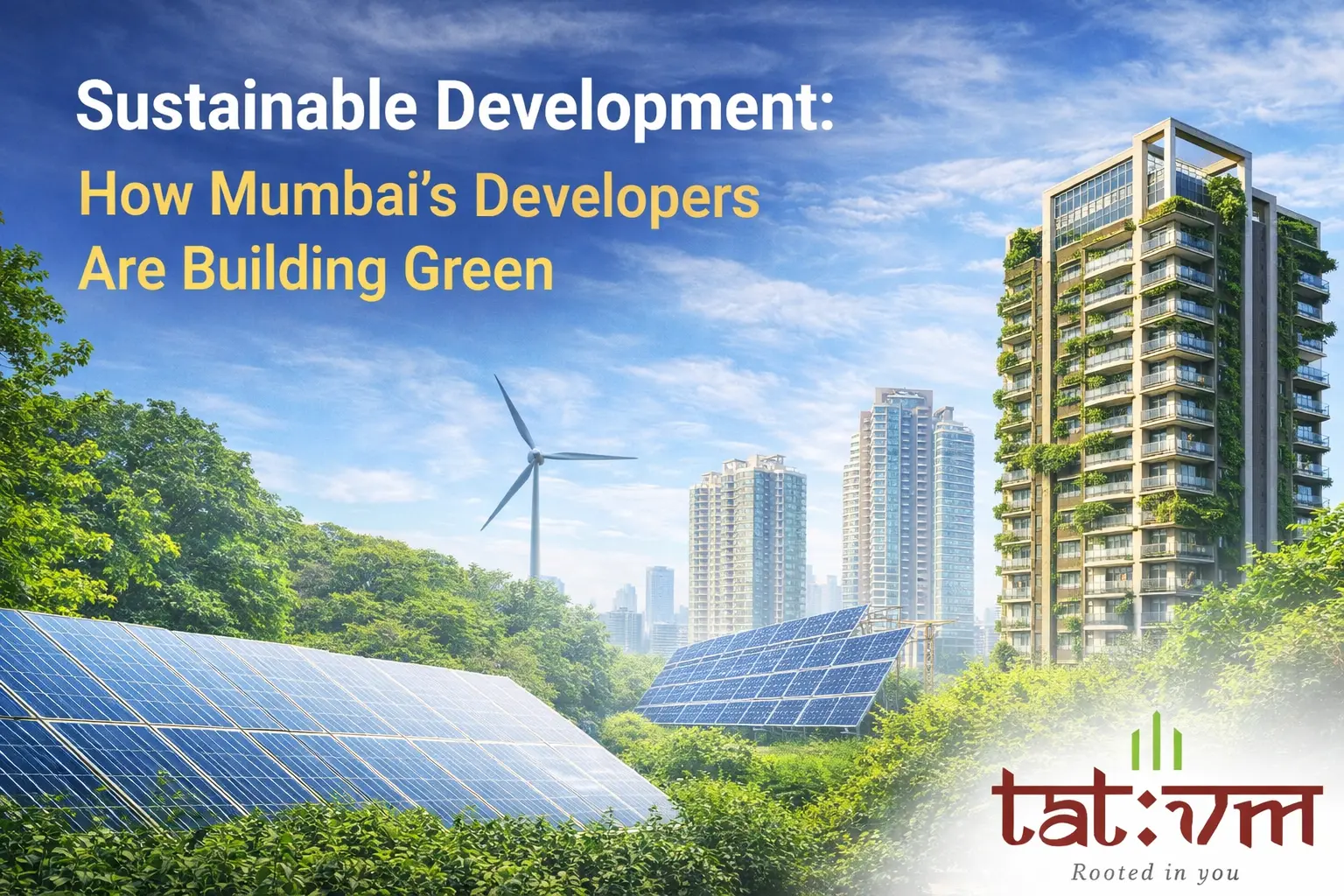
Developers in Mumbai are operating at a critical intersection of rapid urbanisation, environmental pressure, and evolving buyer expectations. As land becomes scarcer and climate risks intensify, sustainable development is no longer a trend—it has become a responsibility. Today, Mumbai’s real estate ecosystem is witnessing a clear shift where environmental sensitivity, efficient resource use, and long-term livability are shaping how projects are planned and delivered.
This transformation is not limited to luxury developments alone. From large residential townships to slum rehabilitation projects, real estate builders in Mumbai are increasingly integrating green practices into design, construction, and operations. The focus has moved beyond compliance to creating resilient, future-ready communities.
Why Sustainability Matters for Mumbai’s Real Estate Future
Mumbai faces unique urban challenges. High population density, limited land availability, pressure on water resources, and rising temperatures demand a more thoughtful approach to construction. Traditional development models—focused purely on maximising built-up area—are no longer viable.
For developers in Mumbai, sustainability directly impacts project longevity, regulatory approvals, operating costs, and buyer trust. Green buildings consume less energy, manage water better, and offer healthier living environments. Over time, they also deliver stronger asset value and lower maintenance costs.
One of the most widely recognised benchmarks for sustainable development in India is the Indian Green Building Council (IGBC) certification. IGBC provides a structured framework that evaluates a project’s environmental performance across key parameters such as site planning, water management, energy efficiency, material selection, waste reduction, and indoor environmental quality. Depending on the level of compliance and performance, projects are awarded IGBC Certified, Silver, Gold, or Platinum ratings. This certification serves as a credible assurance of a building’s commitment to sustainability.
Pursuing IGBC certification helps significantly reduce the overall carbon footprint of a project. Lower energy consumption, reduced water extraction, and improved waste management collectively contribute to meaningful environmental impact reduction over the building’s lifetime. These measures not only benefit the environment but also translate into tangible long-term savings for residents through reduced utility costs and lower maintenance requirements.
Beyond environmental benefits, green buildings offer healthier and more comfortable living spaces. Improved indoor air quality, better daylight access, and enhanced thermal comfort create environments that support occupant well-being. As awareness grows, homebuyers and investors increasingly recognise the value of sustainable developments, making IGBC-aligned projects more resilient, future-ready, and attractive in the long run.
How Developers in Mumbai Are Adopting Green Building Practices
Sustainable development begins at the planning stage. Forward-looking developers are rethinking how buildings interact with their surroundings rather than imposing structures on the landscape.
Passive design strategies are gaining prominence. These include building orientation to reduce heat gain, improved ventilation planning, and optimal daylight usage. Such design choices reduce dependence on artificial lighting and air conditioning, leading to significant energy savings over the building’s life cycle.
Material selection has also evolved. Many real estate builders in Mumbai now prioritise low-impact materials such as fly-ash bricks, recycled steel, and low-VOC paints. These materials reduce carbon footprint while improving indoor air quality for residents.
Water Management: A Core Focus Area
Water scarcity is one of Mumbai’s most pressing concerns. Sustainable projects now treat water as a finite and valuable resource rather than an unlimited utility.
Rainwater harvesting systems have become standard across new developments. Treated wastewater reuse for landscaping and flushing significantly reduces freshwater consumption. Advanced plumbing fixtures that minimise water usage are also being widely adopted.
For large-scale developments, decentralised sewage treatment plants help manage waste responsibly while reducing load on municipal infrastructure. These measures are especially critical in high-density residential projects.
Energy Efficiency and Renewable Integration
Energy-efficient buildings are a defining feature of green development. Developers are incorporating high-performance glazing, efficient HVAC systems, and smart energy management tools to reduce overall consumption.
Solar power adoption has increased across residential and mixed-use projects. Rooftop solar installations now power common areas such as lifts, lighting, and security systems. Over time, this reduces operational costs for residents while lowering carbon emissions.
Real-World Shift: From Compliance to Conscious Development
Earlier, sustainability in real estate was often treated as a checkbox requirement to secure approvals. Today, the mindset among leading real estate builders in Mumbai has changed.
Developers now recognise that buyers are more informed and environmentally conscious. Homebuyers increasingly ask about energy efficiency, water management, and long-term maintenance costs before making purchase decisions. Sustainable projects inspire greater trust and brand credibility.
From corporate offices to residential communities, green developments are proving to be more resilient to market fluctuations and regulatory changes.
Challenges Developers Still Face
Despite progress, sustainable development in Mumbai is not without challenges. Higher upfront costs, limited awareness among some buyer segments, and coordination with multiple authorities can slow adoption.
However, experienced developers understand that sustainable construction delivers long-term economic benefits. Reduced energy bills, lower water costs, and improved asset durability outweigh initial investments over time.
For developers in Mumbai, the challenge lies in balancing affordability with sustainability—especially in redevelopment and mass housing projects.
The Role of Experienced Developers in Driving Change
Sustainable development requires technical expertise, regulatory understanding, and execution capability. Not all developers are equally equipped to deliver green projects at scale.
At Tatvm Group, sustainability is approached as a core design principle rather than an add-on. From redevelopment planning to material selection and execution, projects are structured to align with environmental responsibility and long-term community value.
This approach reflects a broader shift among responsible developers who view sustainability as integral to urban growth rather than an optional feature.
Expert Perspective: Why Green Development Is the Future
Urban planning experts consistently emphasise that cities like Mumbai must prioritise resource-efficient development to remain livable. Sustainable buildings reduce strain on infrastructure while improving quality of life.
As climate-related risks increase, green developments also offer better resilience against heat stress, flooding, and energy shortages. This makes sustainability a strategic imperative, not just an ethical one.
The Road Ahead for Developers in Mumbai
The future of Mumbai’s real estate sector will be defined by how responsibly it grows. Sustainable development is no longer limited to niche projects—it is becoming the industry standard.
Developers in Mumbai, including real estate builders in Mumbai and SRA builders in Mumbai, who embrace sustainability today will lead the market tomorrow. Green construction, efficient resource management, and community-focused planning will shape the next generation of urban development.
Building a Greener Urban Future for Mumbai
Sustainable development is redefining how Mumbai builds its future. As environmental challenges grow, developers have a unique opportunity to create spaces that are efficient, resilient, and humane.
By embedding sustainability into every stage of development, Mumbai’s real estate sector can contribute meaningfully to a greener and more livable city.
Partnering for Sustainable Development in Mumbai
If you are exploring redevelopment or new construction opportunities, partner with developers in Mumbai who prioritise sustainable planning and responsible execution. Connect with Tatvm Group to understand how green development can deliver long-term value for communities, stakeholders, and the city itself.